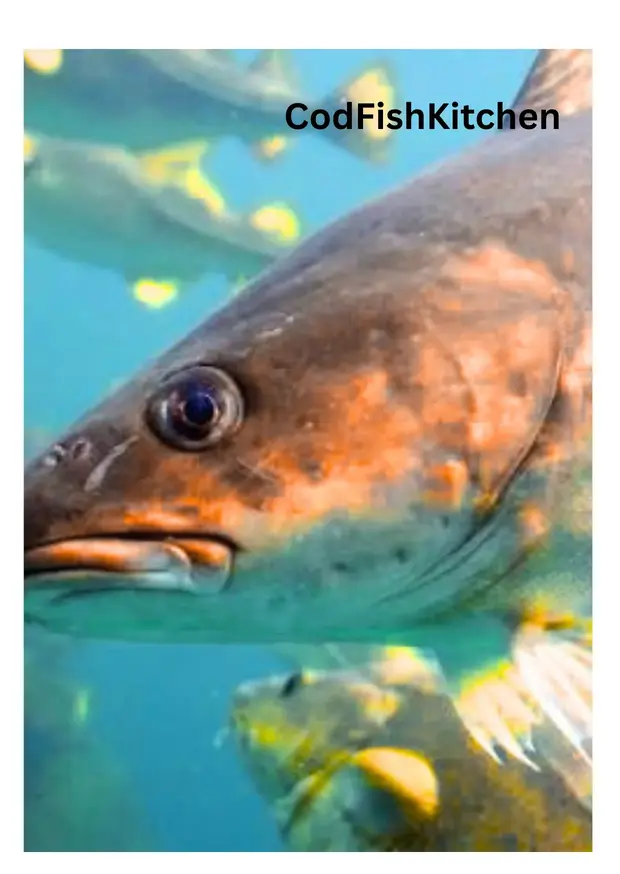
Is Cod Fish Sustainable? Ocean, Habitat and Bottom-Feeder Facts
Cod is a popular marine fish, but its environmental impact depends on more than the name on the package. Sustainability can vary according to the species, stock, fishing area, fishing gear and current management policies.
Some cod fisheries are certified or considered well managed, while others remain under rebuilding plans. The most reliable way to make a responsible choice is to check the exact origin and current certification of the fish.
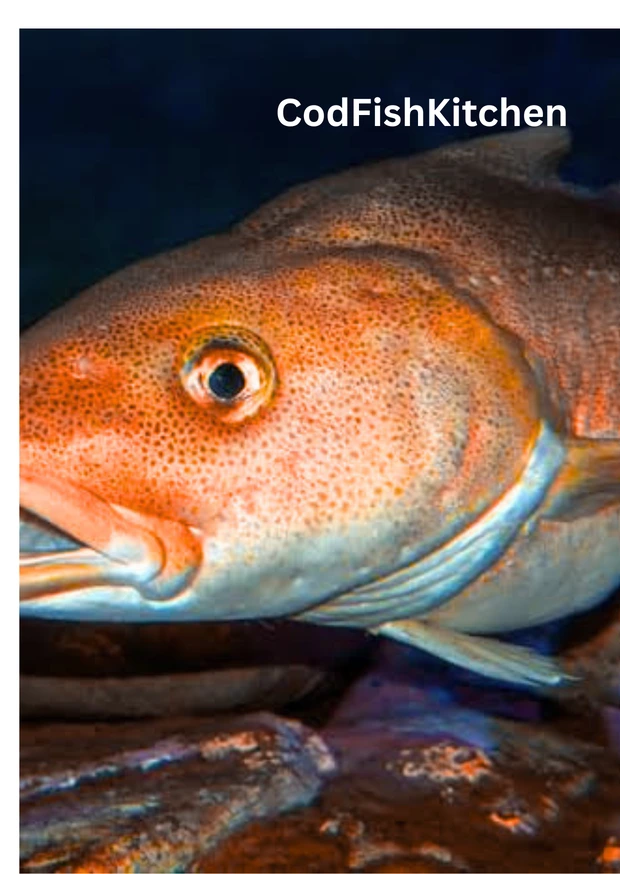
Is Cod Sustainable?
The short answer is: sometimes.
Cod sustainability is not the same across all regions. “Atlantic cod” and “Pacific cod” each include fish from multiple stocks and fisheries, and those stocks can have very different conditions.
When buying cod, check:
- Species and harvest region
- Wild-caught or farmed status
- Fishing gear
- Current stock assessment
- MSC or another credible certification
- Regional seafood-guide recommendations
An MSC label indicates that the specific fishery has been assessed under MSC standards. It does not mean that every cod product from the same species or country has identical environmental credentials.msc
Pacific Cod
Pacific cod, also known as Gadus macrocephalus, is harvested mainly in the North Pacific, including Alaska and the Bering Sea.
Some Alaska Pacific cod fisheries are MSC-certified, including fisheries in the Bering Sea, Aleutian Islands and Gulf of Alaska. However, certification applies to specific fisheries, areas, gears and certification periods—not automatically to every product labelled “Pacific cod.”msc+1
Buying Advice
Look for:
- “Alaska Pacific cod” on the label
- A clearly stated harvest area
- Current MSC certification
- Traceability information
- A seafood guide’s current recommendation
Fishing gear also matters. Trawl, longline, jig and handline fisheries can have different effects on bycatch and seafloor habitat.
Atlantic Cod
Atlantic cod, or Gadus morhua, is found throughout the North Atlantic. Its sustainability record is mixed.
Some Northeast Atlantic fisheries around Iceland, Norway and the Barents Sea are managed under stock-specific rules or may carry certification. However, stock conditions and certification status can change, so country of origin alone is not enough to establish that a product is sustainable.
North American Atlantic Cod
Several North American Atlantic cod stocks were severely depleted after prolonged overfishing. The Gulf of Maine and Georges Bank stocks remain subject to conservation and rebuilding measures. NOAA describes the Gulf of Maine stock as overfished and managed under a rebuilding plan.fisheries.noaa
The situation is not identical for every fishery. Ratings can differ according to stock, location and gear. Some handline fisheries may receive better sustainability ratings than other fishing methods.seafoodwatch
Better buying rule:
Do not label all North American Atlantic cod as either sustainable or unsustainable. Check the current stock and fishery-specific recommendation.

How to Choose More Responsibly
A responsible purchasing approach includes the following steps:
- Read the species and harvest area on the package.
- Look for a current MSC label or another credible certification.
- Check a regional seafood guide for the latest rating.
- Consider fishing gear, especially where bycatch or habitat damage is a concern.
- Avoid assuming that a country name automatically guarantees sustainability.
- Choose products with clear traceability whenever possible.
Sustainability recommendations can change as populations, quotas, climate conditions and management policies change.
Is Cod a Saltwater or Freshwater Fish?
True commercial cod is a marine fish that lives primarily in saltwater. Atlantic and Pacific cod are not freshwater species.
Burbot, or Lota lota, is a separate freshwater relative that is sometimes called “freshwater cod.” It is not the same fish as Atlantic cod or Pacific cod.
Therefore, a fish sold as “freshwater cod” may refer to burbot or another local species rather than true cod.
Is Cod an Ocean Fish?
Yes. Cod live in marine coastal and offshore waters, often around continental shelves and slopes. They are associated with the seafloor but are not restricted to one exact depth.
Their habitat varies according to:
- Species
- Age
- Season
- Water temperature
- Food availability
- Spawning behaviour
- Geographic region
Some cod live in relatively shallow coastal water, while others occupy deeper offshore areas.
Is Cod a Cold-Water Fish?
Cod are generally associated with cool to cold marine environments. The exact temperature range differs according to species, population, depth and season, so a fixed range of 0–10°C / 32–50°F should not be treated as universal.
Water temperature is one factor affecting cod distribution, but it does not alone determine the fish’s flavour or texture. Species, freshness, storage and cooking method also influence whether cod tastes mild and flakes cleanly.
Is Cod a Bottom Feeder?
“Bottom feeder” is a common phrase, but demersal predator is more accurate.
Cod often hunt near the seafloor, but they are active predators rather than animals that simply consume mud, decay or detritus. Their diet can include:
- Small fish
- Capelin and herring
- Sand lance
- Shrimp and crabs
- Squid
- Other marine invertebrates
Cod may also feed higher in the water column when prey is available.
Does Bottom Feeding Make Cod Unhealthy?
No. Feeding near the seafloor does not make cod unsafe or unhealthy. Cod’s mild flavour and white, flaky flesh are characteristics of the species and its muscle structure.
The fish’s freshness, handling, storage and preparation have a much greater effect on flavour than its feeding location.
Cod Habitat and Sustainability at a Glance
| Question | Accurate answer |
| Is cod sustainable? | It depends on the stock, fishery, area and gear |
| Is cod a freshwater fish? | No; true cod is marine |
| Is cod an ocean fish? | Yes, although it may live in coastal or offshore waters |
| Is cod cold-water fish? | Generally yes, but temperature varies by species and region |
| Is cod a bottom feeder? | It is better described as a demersal predator |
| Is Pacific cod sustainable? | Some Alaska fisheries are certified; check the exact product |
| Is Atlantic cod sustainable? | Status varies considerably by stock and region |
| What certification should I look for? | A current MSC label or another credible regional recommendation |
Frequently Asked Questions
Is cod a sustainable fish to buy?
Cod can be a responsible choice when it comes from a well-managed, traceable fishery. Check the harvest location, fishing method and current certification rather than relying on the word “cod” alone.
Is Alaska Pacific cod sustainable?
Some Alaska Pacific cod fisheries are MSC-certified, but not every Pacific cod product comes from the same fishery. Confirm the harvest area and certification details on the label.afdf
Is Icelandic cod sustainable?
Some Icelandic cod fisheries are managed or certified, but sustainability status can change. Check the current certification and stock-specific recommendation instead of assuming all Icelandic cod has the same rating.
Is cod caught in freshwater or saltwater?
True cod is caught in saltwater. Burbot is a separate freshwater species sometimes called freshwater cod.
Does cod being a bottom feeder make it unhealthy?
No. Cod is an active predator that often hunts near the seafloor. Its feeding behaviour does not make it unhealthy or give it a muddy flavour.
Why is Atlantic cod overfishing so well known?
The Northern Cod fishery off Newfoundland collapsed after prolonged overfishing, leading to a major closure in 1992. The event caused severe social and economic losses and influenced modern fisheries-management policies. Some Atlantic cod stocks remain under rebuilding or conservation measures.fisheries.noaa+1
Final Takeaway
Cod is a marine, cold-water fish that often feeds near the seafloor, but sustainability varies significantly by stock and fishery. Alaska Pacific cod and some Northeast Atlantic fisheries may be responsible choices, but the best option depends on the current origin, fishing method and certification.
For a more sustainable purchase, look for clear traceability, a current MSC certification or a reliable regional seafood recommendation. Avoid broad assumptions such as “all Pacific cod is sustainable” or “all Atlantic cod should be avoided,” because the environmental story is fishery-specific.